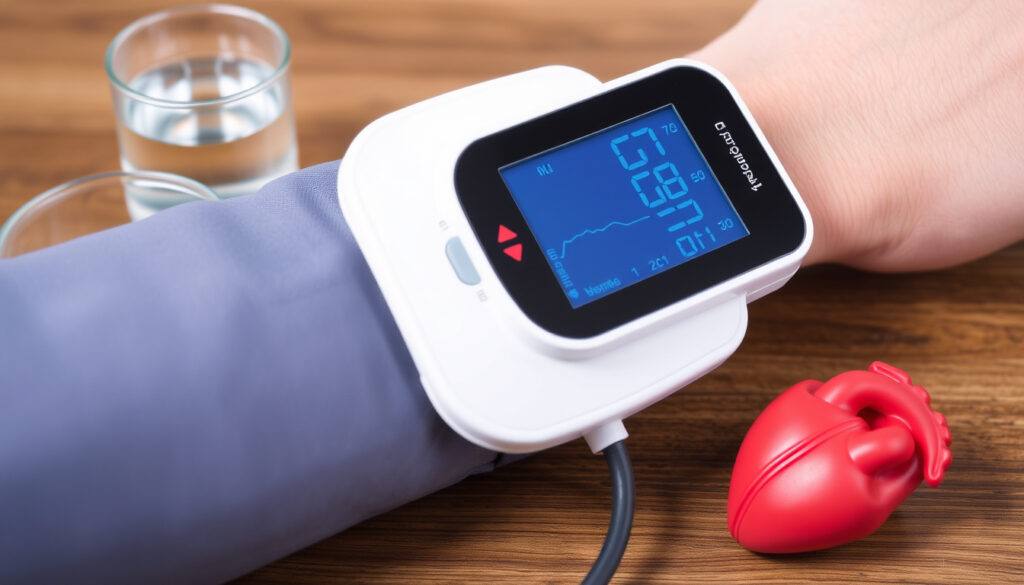
Symptoms of High Blood Pressure: Signs and When to Seek Help
You probably know someone who checks their blood pressure at the pharmacy machine and shrugs at the number. For most people, the first clue that something is wrong comes not from a symptom, but from a reading. High blood pressure has earned its reputation as the silent killer because it can damage your body for years without sending a single signal. This guide goes beyond the basics to show how symptoms vary between men, women, and younger adults, what those rare warning signs actually feel like, and what you can do right now to lower your risk.
Global prevalence of hypertension: 1.28 billion adults ·
Percentage unaware of condition: 46% ·
Normal blood pressure range: <120/80 mmHg ·
Annual deaths attributable to hypertension: ~10 million ·
Percentage of US adults with hypertension: 47%
Quick snapshot
- Often no symptoms – high blood pressure is called the “silent killer” (American Heart Association)
- When present: chest pain, shortness of breath, headaches, vision changes (Mayo Clinic)
- Extremely high readings (≥180/120 mmHg) can trigger nosebleeds and severe anxiety (GoodRx)
- May include fatigue, anxiety, and palpitations – not just headaches (GoodRx)
- Preeclampsia warning signs: severe headaches, vision changes, swelling (Griffin Health)
- Women more likely to develop hypertension after age 55 (CDC)
- BP >180/120 + chest pain, difficulty speaking, severe headache (Mayo Clinic)
- Sudden back pain, numbness/weakness on one side (GoodRx)
- These are signs of hypertensive emergency – call 911 (American Heart Association)
- Obesity, high stress, poor diet, genetic predisposition (CDC)
- 1 in 5 adults aged 18-39 unknowingly have hypertension (Advanced Cardiovascular Care)
- Secondary causes: kidney disease, sleep apnea, thyroid disorders (Mayo Clinic)
Five key facts, one pattern: millions of people walk around with dangerously high pressure and never feel a thing. Awareness is the first and most critical step.
| Fact | Value |
|---|---|
| Prevalence of high blood pressure in US adults | 47% |
| Percentage unaware of their condition | 46% |
| Normal blood pressure range | Less than 120/80 mmHg |
| Annual deaths attributable to hypertension worldwide | ~10 million |
| Reduction in systolic BP with DASH diet | 8-14 mmHg |
What are the Signs and Symptoms of High Blood Pressure?
Warning signs of hypertensive crisis
- When blood pressure climbs above 180/120 mm Hg, symptoms may suddenly appear: severe headache, shortness of breath, nosebleeds, and chest pain (American Heart Association).
- Hypertensive emergency also includes back pain, numbness, weakness, vision changes, or difficulty speaking – these require immediate 911 call (GoodRx).
Common misconceptions about symptoms
- Many believe they can “feel” when their blood pressure is high. But the CDC states that high blood pressure usually has no signs or symptoms – only measuring can confirm it.
- Some people report flushing, dizziness, or fatigue, but these are not reliable diagnostic indicators (GoodRx).
The same people who dismiss their high reading as “no big deal” because they feel fine are the ones most at risk of a sudden heart attack or stroke – precisely because the absence of symptoms lulls them into inaction.
The implication: relying on how you feel is a dangerous strategy. Even the rare symptoms are inconsistent and often mistaken for stress or aging.
What Does High Blood Pressure Feel Like?
Headaches and dizziness
- When symptoms do appear, the most common is a dull, throbbing headache at the back of the head, especially in the morning (Mayo Clinic).
- Dizziness and lightheadedness can occur, but these are more typical in severe or rapidly rising hypertension (Griffin Health).
Vision changes and nosebleeds
- Blurred vision or seeing spots can signal that blood pressure is affecting the eye’s blood vessels (GoodRx).
- Nosebleeds – though debated – are reported by some people during extreme spikes. The Mayo Clinic notes this is not a reliable early sign.
When symptoms become noticeable
- For most people, noticeable symptoms only emerge when blood pressure hits 180/120 mmHg or higher – a hypertensive crisis (American Heart Association).
- At that stage, shortness of breath, chest pain, and anxiety can be intense. But catching it early is the goal – not waiting for these signs.
The pattern: symptoms appear only after damage has already begun. A blood pressure cuff is the only reliable early detector.
What are the Symptoms of High Blood Pressure in a Woman?
Pregnancy-related hypertension
- Preeclampsia – a dangerous condition in pregnancy – presents with severe headaches, vision changes (blurring, flashing lights), shortness of breath, and sudden swelling of the face or hands (Griffin Health).
- Early detection through prenatal blood pressure checks is critical because symptoms can escalate quickly.
Menopause and blood pressure changes
- After menopause, women’s risk of hypertension rises sharply – surpassing men’s rates after age 65 (Griffin Health).
- Hormonal shifts can affect blood vessel flexibility, contributing to higher readings.
Unique symptoms women may report
- Some women describe fatigue, anxiety, palpitations, or a feeling of “butterflies” in the chest (GoodRx).
- Because these overlap with stress and anxiety, hypertension can be overlooked in younger women.
What this means: gender differences in symptom presentation demand tailored attention, especially during pregnancy and after menopause.
How to Bring Blood Pressure Down?
Lifestyle changes that lower blood pressure
- The DASH (Dietary Approaches to Stop Hypertension) diet, rich in fruits, vegetables, whole grains, and low-fat dairy, can reduce systolic BP by 8-14 mmHg (American Heart Association).
- Reducing sodium intake to less than 1,500 mg per day, regular aerobic exercise (at least 150 minutes per week), and stress management techniques like meditation have demonstrated effectiveness (CDC).
- Simple swaps like adding potassium-rich foods and cutting processed snacks can make a measurable difference (Mayo Clinic).
When to seek emergency care
- A reading of 180/120 mmHg or higher accompanied by chest pain, shortness of breath, back pain, numbness, vision changes, or difficulty speaking – call 911 immediately (American Heart Association).
- Even without those symptoms, sustained readings above 180/120 require urgent medical evaluation.
Medications and their role
- Several classes of drugs (ACE inhibitors, ARBs, diuretics, calcium channel blockers) are proven to lower BP and prevent complications. Treatment should be tailored by a doctor (CDC).
- Most people with hypertension need two or more medications to achieve target levels.
The person who skips medication because “they feel fine” is making a dangerous trade: temporary convenience for long-term damage to arteries, heart, and brain. Daily medication adherence can cut stroke risk by 30-40%.
The catch: lifestyle changes can be powerful, but medication adherence is often what separates controlled BP from silent progression.
What Causes High Blood Pressure in Young Adults?
Risk factors for early-onset hypertension
- Obesity, poor diet high in processed foods and sodium, physical inactivity, chronic stress, and smoking are major contributors (American Heart Association).
- Genetics also play a role – if a parent has hypertension, your risk doubles.
Secondary hypertension from underlying conditions
- Kidney disease, sleep apnea, thyroid disorders, and certain medications (like NSAIDs or oral contraceptives) can raise blood pressure (Mayo Clinic).
- In young adults, secondary causes are more common than in older populations, making a thorough workup important.
Preventive strategies
- Regular blood pressure checks starting in early adulthood, even annually, catch the 1 in 5 young adults who have hypertension but don’t know it (Advanced Cardiovascular Care).
- Simple lifestyle shifts – walking 30 minutes daily, swapping one salty meal for a vegetable-based option, cutting back on alcohol – can make a significant difference.
The catch: many young adults aren’t screened because they don’t think they’re at risk. That gap in awareness is precisely why hypertension in this group often goes undiscovered until damage has begun.
Simple Steps to Check and Manage Your Blood Pressure
- Get an accurate reading. Use a validated automatic cuff after sitting quietly for 5 minutes, arm at heart level. Avoid caffeine, smoking, and exercise for 30 minutes before (American Heart Association).
- Track your numbers. Keep a log of readings taken at the same time each day. Share with your doctor at each visit.
- Adopt the DASH diet. This eating plan emphasizes potassium-rich foods (bananas, spinach, sweet potatoes) and limits sodium to under 1,500 mg daily (CDC). For quick, healthy meal ideas, try our Easy Healthy Dinner Ideas – Quick Recipes Under 30 Minutes.
- Move regularly. Aim for at least 150 minutes of moderate-intensity aerobic activity per week – brisk walking, cycling, or swimming. Not sure how many steps to aim for? Check How Many Steps a Day is Healthy? Science-Backed Goals.
- Limit alcohol and avoid tobacco. Even modest reductions in alcohol intake lower BP. Quitting smoking improves artery function within weeks.
- Take prescribed medications as directed. Don’t skip or change doses without discussing with your doctor. Most people need consistent medication to stay in the safe zone.
What this means: consistent daily actions, not occasional efforts, are what keep blood pressure in check.
Confirmed Facts
- High blood pressure is often asymptomatic – the “silent killer” (American Heart Association)
- Severe hypertension can cause headaches, shortness of breath, and nosebleeds (Mayo Clinic)
- Blood pressure measurement is the only reliable diagnostic method (CDC)
What’s Unclear
- Exact mechanisms behind symptom differences between men and women are not fully understood
- The correlation between nosebleeds and high blood pressure is debated (Mayo Clinic)
- Why some people experience symptoms at lower readings than others remains unclear
“High blood pressure is often called the ‘silent killer’ because most people have no signs or symptoms even at dangerously high levels.”
— American Heart Association
“Most people with high blood pressure have no symptoms for years, even at severe levels; rare symptoms include headaches, shortness of breath, nosebleeds.”
— Mayo Clinic
“1 in 5 adults aged 18-39 unknowingly have hypertension, risking heart disease, stroke, kidney damage.”
The pattern across all the data is clear: millions of people are living with a condition that will quietly damage their heart, brain, and kidneys unless they take action. For the 46% who don’t yet know they have hypertension, the first step is a simple blood pressure check. For everyone else – young or old, male or female – the consequences of ignoring the numbers are concrete: an estimated 10 million deaths per year worldwide from a cause that is almost entirely manageable. The choice is between a cuff reading today or a hospital visit tomorrow.
Frequently Asked Questions
What is considered high blood pressure?
Blood pressure is considered high when it consistently measures 130/80 mm Hg or higher, according to the CDC.
Can stress cause high blood pressure?
Chronic stress can contribute to long-term hypertension through hormonal and lifestyle pathways. The American Heart Association identifies high stress as a risk factor.
Is high blood pressure hereditary?
Yes. If a parent or sibling has hypertension, your risk is significantly higher. Genetics account for about 30-50% of blood pressure variation (Mayo Clinic).
What foods help lower blood pressure?
Potassium-rich foods like bananas, spinach, avocados, sweet potatoes, and salmon, along with a low-sodium diet, are effective. The DASH diet is the most studied approach (American Heart Association).
How often should I check my blood pressure?
Once a year for adults with normal readings, and more frequently (weekly or daily) if you have hypertension or are at high risk. The CDC recommends regular monitoring for early detection.
What is the difference between high blood pressure and hypertension?
There is no difference – hypertension is the medical term for chronically high blood pressure. Both refer to the same condition.
Can high blood pressure be reversed permanently?
It can often be controlled to normal levels through lifestyle changes and medication, but “cure” is rare. Even with good control, ongoing management is usually necessary.
What are the long-term effects of untreated hypertension?
Untreated hypertension can lead to heart attack, stroke, kidney failure, vision loss, vascular dementia, and premature death (CDC).
More related posts
 Easy Healthy Dinner Ideas – Quick Recipes Under 30 Minutes
 Smith Funeral Home Sarnia Obituaries: Find Recent Death Notices
 Tory Lanez Sentence 10 Years: Trial and Latest Updates
 Alison Sweeney: Husband, Age, and Days of Our Lives Return
 Serge Fiori et Son Fils – What Verified Sources Reveal
 Manulife Wealth Investor Portal: Sign In, Register & Manage
 Majestic Elegance Costa Mujeres – Adults-Only All-Inclusive Guide
 Matthew Stafford: News, Stats, Family, and 2025 MVP Season
