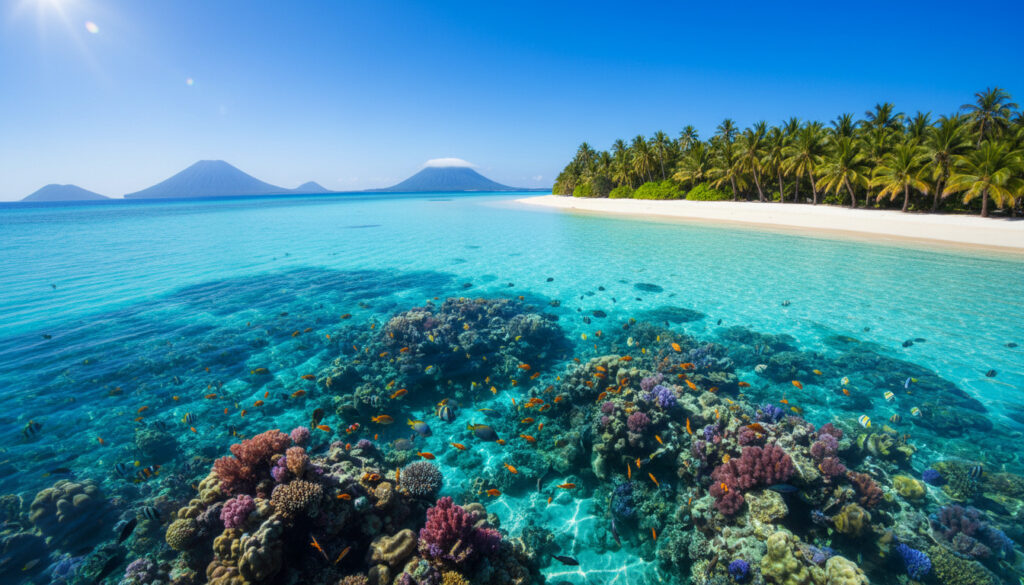
Best Places to Snorkel – Top 20 Worldwide Destinations
Crystal waters teeming with marine life draw millions to the world’s premier snorkeling destinations each year. From the biodiversity hotspots of the Coral Triangle to the accessible shores of Hawaii, these underwater ecosystems offer visibility ranging from 50 to 130 feet and encounters with species ranging from sea turtles to manta rays.
Selecting the optimal location requires balancing accessibility, seasonal conditions, and marine diversity. While some sites cater to families with calm, shallow entry points, others demand liveaboard vessels to reach pristine, undeveloped reefs. Understanding these distinctions ensures snorkelers match their skill level and expectations with the appropriate destination.
This guide examines twenty top locations across six continents, incorporating visibility data, accessibility ratings, and conservation status to provide a comprehensive reference for planning underwater excursions.
What Are the Best Places to Snorkel in the World?
World’s largest reef system
Visibility: 30m+
Best for: Diverse marine life
Beginner paradise
Visibility: 20m
Best for: Calm waters
UNESCO World Heritage site
Visibility: 40m
Best for: Sharks & rays
Jellyfish Lake unique ecosystem
Visibility: 25m
Best for: Adventure
- Visibility ranges from 50 to 130 feet in premier locations such as Raja Ampat and Alor
- Shore access determines beginner-friendliness more than raw marine biodiversity
- UNESCO-designated sites including Belize Barrier Reef and Marovo Lagoon offer protected ecosystems
- Liveaboard vessels provide access to remote locations but increase costs significantly
- Dry season timing (October through April) generally delivers optimal water clarity
- Entry fees vary from $25 for shore sites to $2,000+ for week-long liveaboard expeditions
- The Coral Triangle (Indonesia, Palau, Philippines) hosts the highest marine species diversity globally
| Destination | Avg Visibility | Marine Highlights | Accessibility | Cost Range |
|---|---|---|---|---|
| Great Barrier Reef | 30m+ | Coral gardens, fish schools | High (day trips from Cairns) | $100-200/day |
| Palau Rock Islands | 25m | 1,500+ fish species, 450 corals | Medium (boat required) | $2,000+/week liveaboard |
| Red Sea, Egypt | 20-40m | Dolphins, dugongs, reefs | High (shore entry available) | $50-150/day tours |
| Hanauma Bay | 20m | Green sea turtles, reef fish | Very high (shore access) | ~$25 entry |
| Belize Atolls | 15-30m | Sharks, turtles, manatees | High (shallow reefs) | $75-200/day |
| Raja Ampat | Up to 40m | Mantas, reef sharks, turtles | Medium (liveaboard best) | $2,500+/week |
Data sourced from Scuba Schools of America and Oceanic Society field reports.
Where Is the Best Snorkeling in the US?
The United States offers diverse snorkeling experiences ranging from subtropical reefs to temperate kelp forests. Three locations consistently rank among global top-tier sites while remaining accessible to domestic travelers.
Hanauma Bay, Oahu
Located twenty minutes from Honolulu, Hanauma Bay Nature Preserve represents the gold standard for accessible shore snorkeling. The volcanic crater creates a protected marine environment where green sea turtles and over 400 fish species inhabit calm, shallow waters rarely exceeding 15 feet in depth.
The site requires advance reservations and charges an entry fee of approximately $25. Marine life remains abundant despite high visitor traffic, though arriving before 8:00 AM proves essential to avoid crowds and secure limited parking.
Hanauma Bay now operates a reservation-only entry system with limited daily capacity. Visitors must book time slots online in advance and watch a mandatory conservation briefing before descending to the beach.
Dry Tortugas, Florida
Seventy miles west of Key West, Dry Tortugas National Park protects coral reefs within historic Fort Jefferson’s moat walls. The remote location ensures pristine conditions with visibility often exceeding 80 feet.
Access requires ferry, seaplane, or private vessel, making day trips logistically complex but rewarding for dedicated snorkelers seeking Caribbean-quality reefs without leaving Florida waters.
Channel Islands, California
California’s Channel Islands offer temperate-water snorkeling through kelp forests teeming with garibaldi, sea lions, and occasional harbor seals. Water temperatures remain cooler (60-70°F) than tropical destinations, requiring wetsuits but rewarding visitors with unique Eastern Pacific marine communities.
Source documentation: Underwater videography surveys.
What Are the Best Caribbean and Mexico Snorkeling Spots?
The Caribbean Sea and Gulf of Mexico host the hemisphere’s most extensive reef systems, with UNESCO recognition and marine protected status preserving biodiversity across multiple nations.
Belize Barrier Reef
Turneffe Atoll, Glovers Reef, and the Great Blue Hole form the heart of Belize’s UNESCO-protected reef system. Over 500 fish species share these warm, shallow waters with sharks, turtles, manatees, and dolphins. Visibility typically ranges from 50 to 100 feet, while family-oriented tour operators specialize in novice-friendly excursions.
The reef’s resilience to bleaching events and strict conservation protocols maintain its status as the Caribbean’s premier snorkeling destination. UNESCO designation details confirm its outstanding universal value.
Cozumel, Mexico
Mexico’s Cozumel Island offers vibrant reef encounters accessible from shore or short boat rides. Clear waters suit beginners while providing opportunities to observe larger marine species. The island’s Majestic Elegance Costa Mujeres and similar resorts provide direct access to guided reef tours.
Currents along the island’s western coast require awareness, though guided tours mitigate risks for inexperienced swimmers.
Bonaire
Bonaire’s shoreline-accessible reefs eliminate boat requirements entirely, allowing snorkelers to enter directly from marked sites along the coast. The island’s marine park protections ensure healthy coral populations and abundant fish life within swimming distance of beaches.
Regional data: Caribbean snorkeling conditions.
Best Places to Snorkel for Beginners and Families?
Beginner accessibility depends primarily on shore entry availability, water depth, wave action, and current strength. Several destinations cater specifically to families with young children or non-swimmers.
Hanauma Bay Nature Preserve
Rated 10/10 for beginner accessibility, Hanauma Bay offers protected, shallow waters with abundant marine life visible from the surface. The gradual beach entry and lifeguard presence provide security for first-time snorkelers.
Grand Cayman Stingray City
Stingray City provides a controlled environment where southern stingrays congregate in shallow sandbars. The site allows non-swimmers to stand while observing marine life, though ethical concerns regarding wildlife feeding practices persist.
Red Sea Shore Sites
Egypt’s Red Sea coastline offers shore entry at numerous resorts with immediate reef access. Rated 9/10 for beginners, these sites combine high visibility with calm conditions and immediate emergency support from resort facilities.
Even apparently calm snorkeling sites can experience sudden current changes. Guided tours provide flotation devices and local knowledge essential for families with children or novice swimmers.
Shore-access sites like Hanauma Bay cost approximately $25 entry, while boat tours range $50-150 daily. Remote liveaboard excursions to Raja Ampat or Palau typically exceed $2,000 per week plus gear rental fees averaging $20 daily.
Accessibility research from Oceanic Society field reports.
What Is the Best Time of Year to Snorkel?
- : Dry season in Raja Ampat and Palau delivers calm seas and peak manta ray sightings. Visibility reaches maximum clarity during these months.
- : Peak season for Alor and Komodo (Indonesia) with mola-mola encounters and 130-foot visibility.
- : Optimal conditions for the Red Sea with minimal wind and glassy surface conditions ideal for shore entry.
- : Fiji maintains 79°F water temperatures and clear visibility regardless of season, though cyclone risk peaks January through March.
- : Great Barrier Reef dry season reduces rainfall runoff and improves inshore visibility, though stinger suits become necessary.
- : Hanauma Bay experiences lower visitor volumes and calmer morning waters following summer break.
Seasonal data sourced from regional diving reports.
What Do We Know for Certain About Reef Conditions?
| Established Facts | Uncertain or Variable Conditions |
|---|---|
| Palau contains over 1,500 fish species and 450 coral species within its Rock Islands | Exact bleaching recovery rates following 2016-2017 global events remain site-specific and incompletely documented |
| Hanauma Bay charges approximately $25 entry and requires reservations | Future fee increases and capacity restrictions depend on Hawaii State Parks budget decisions |
| Raja Ampat visibility reaches 130 feet during optimal conditions | El Niño cycle impacts on Indonesian visibility patterns vary unpredictably by season |
| Belize hosts 500+ fish species across its three atolls | Long-term impacts of increased cruise ship tourism on Turneffe Atoll ecosystems require ongoing monitoring |
| Red Sea sites offer shore entry suitable for beginners rated 9/10 accessibility | Regional political stability affects tourism infrastructure availability and safety protocols |
| Liveaboard costs exceed $2,000 weekly for Raja Ampat and Palau | Carbon offset effectiveness for marine tourism remains scientifically debated |
Why Do These Destinations Dominate Global Rankings?
Premier snorkeling locations share convergent factors: bathymetry creating shallow coral tables within safe diving depths, nutrient-rich currents supporting high biodiversity, and legal protections preventing destructive fishing practices. The Coral Triangle’s tectonic activity created the complex underwater topography that now hosts 76% of known coral species.
Post-2020 tourism shifts have redirected visitors toward destinations combining accessibility with conservation credentials. Sites like PADI-certified locations emphasize sustainable interaction protocols, while UNESCO designation provides marketing leverage that drives infrastructure investment.
Climate resilience increasingly influences rankings. Palau’s reefs demonstrate higher bleaching resistance than Caribbean counterparts, while Belize’s atolls maintain stable temperatures due to deep-water upwelling. These biological factors ensure long-term viability for tourism-dependent economies.
What Do Marine Experts Say About These Locations?
Belize’s three atolls host over 500 fish species alongside sharks, turtles, manatees, and dolphins in warm, shallow reefs with excellent visibility and family-oriented tour infrastructure.
Oceanic Society Marine Research Division
Raja Ampat and Alor deliver 130-foot visibility with regular encounters with manta rays, reef sharks, and pelagic species unavailable at Caribbean sites, though they require liveaboard access that increases cost barriers.
Scuba Schools of America Field Reports
Shore entry points at Hanauma Bay and the Red Sea provide accessibility ratings of 9-10 for beginners, while remote Indonesian sites rate 6-7 due to boat requirements and current exposure.
Snorkel Venture Safety Assessments
Which Snorkeling Destination Matches Your Needs?
Families with young children should prioritize Hanauma Bay or Belize’s shallow atolls for safety and accessibility. Advanced snorkelers seeking biodiversity should consider Raja Ampat or Palau despite higher costs and logistical complexity. Budget-conscious travelers find excellent value in the Red Sea or Cozumel, while those planning comprehensive Caribbean itineraries can review resort options like Toyota on the Trail for transportation logistics. Regardless of destination, verify current reef health conditions, confirm reservation requirements, and select reef-safe sunscreen to minimize ecological impact.
Frequently Asked Questions
Is snorkeling safe for non-swimmers?
Many sites offer flotation devices and shallow water standing areas, though basic water comfort helps. Guided tours provide life jackets and staff assistance at locations like Stingray City or Hanauma Bay.
What should I pack for a snorkel trip?
Essential gear includes mask, snorkel, fins, and rash guard for sun protection. Reef-safe sunscreen is mandatory at protected sites. Rent equipment onsite if flying to avoid baggage fees.
How deep do you snorkel?
Snorkeling occurs at the surface, typically 1-3 feet deep, with occasional breath-hold dives to 10-15 feet. Most marine life viewing happens within 5 feet of the surface.
Do I need to book tours in advance?
Hanauma Bay requires advance reservations. Liveaboards to Raja Ampat or Palau book months ahead. Shore-access sites like the Red Sea or Bonaire allow walk-up entry.
Are there age restrictions for snorkeling?
Most operators accept children ages 5-8 with parental supervision. No upper age limit exists, though cardiovascular fitness matters for entries involving waves or currents.
What marine life is dangerous to snorkelers?
Stonefish, lionfish, and certain jellyfish species pose risks in Indo-Pacific waters. Fire coral causes skin irritation. Avoid touching any marine life regardless of apparent danger.
Can I snorkel if I wear glasses?
Prescription mask inserts or daily disposable contact lenses work best. Standard masks do not accommodate glasses. Defogging solutions prevent lens condensation.
More related posts
 Manulife Wealth Investor Portal: Sign In, Register & Manage
 Logan Stanley: Salary, Suspension, Weaknesses & Nickname
 Sara Ali Khan: Biography, Age, Relationships, Movies, and FAQs
 Ted Turner Death: Cause, Legacy, and Jane Fonda’s Tribute
 Aldis Hodge: Marriage, Daughter, Ethnicity, and Career
 Security Incident Calgary Airport: RCMP, NORAD & Bomb Threats
 Romeo and Juliet 1996: Cast Ages, Cameo, and Controversy
 Cash Warren: Net Worth, Divorce, and Life After Jessica Alba
